


Route Berlin - Berlin Spandau - Eberswalde - Eberswalde - Stolpe - Szczecin - Szczecin - Wolgast - Wolgast - Insel Usedom Mehr

Berlin, Germany’s capital, dates to the 13th century. Reminders of the city’s turbulent 20th-century history include its Holocaust memorial and the Berlin Wall’s graffitied remains. Divided during the Cold War, its 18th-century Brandenburg Gate has become a symbol of reunification. The city’s also known for its art scene and modern landmarks like the gold-colored, swoop-roofed Berliner Philharmonie, built in 1963.
The sprawling Spandau borough is known for its parks and waterways, plus the charming Spandau old town, with half-timbered houses and lively cafes. Spandau Citadel is a 16th-century fortress that hosts open-air concerts, is home to a history museum, and has a bat colony in its cellar. South along the Havel River in Kladow is the Military History Museum, with a vast collection that includes WWI and WWII airplanes.
Eberswalde is a major town and the administrative seat of the district Barnim in the German State of Brandenburg, about 50 km northeast of Berlin.
Eberswalde is a major town and the administrative seat of the district Barnim in the German State of Brandenburg, about 50 km northeast of Berlin.
Stolpe is a municipality in the district of Plön, in Schleswig-Holstein, Germany.
Szczecin is a city on the Oder River in northwest Poland. It’s known for its 19th-century Wały Chrobrego, or Chobry Embankment, and the renovated Pomeranian Dukes’ Castle, now a cultural center. The vast St. James Cathedral has a 14th-century triptych, stained-glass windows and a tower with city views. Nearby is the Gothic Old Town Hall, hosting The National Museum’s exhibitions on Szczecin’s history and culture.
Szczecin is a city on the Oder River in northwest Poland. It’s known for its 19th-century Wały Chrobrego, or Chobry Embankment, and the renovated Pomeranian Dukes’ Castle, now a cultural center. The vast St. James Cathedral has a 14th-century triptych, stained-glass windows and a tower with city views. Nearby is the Gothic Old Town Hall, hosting The National Museum’s exhibitions on Szczecin’s history and culture.
Wolgast is a town in the district of Vorpommern-Greifswald, in Mecklenburg-Vorpommern, Germany. It is situated on the bank of the river Peenestrom, vis-a-vis the island of Usedom on the Baltic coast that can be accessed by road and railway via a movable bascule bridge.
Wolgast is a town in the district of Vorpommern-Greifswald, in Mecklenburg-Vorpommern, Germany. It is situated on the bank of the river Peenestrom, vis-a-vis the island of Usedom on the Baltic coast that can be accessed by road and railway via a movable bascule bridge.
Usedom is an island divided between Germany and Poland in the Baltic Sea. It’s known for beaches and nature parks. On the German side, the seaside towns of Ahlbeck, Heringsdorf and Bansin have resort architecture, promenades and piers. Northwest, the Peenemünde Historical Technical Museum displays WWII missiles. South, the Polish port of Świnoujście is home to the Museum of Sea Fishery and a 19th-century lighthouse.
Greifswald, officially the University and Hanseatic City of Greifswald is a town in northeastern Germany. It is situated in the state of Mecklenburg-Vorpommern, at an equal distance of about 250 km from Germany’s two largest cities, Berlin and Hamburg, and 80 km from the Polish border.
Lauterbach
Lauterbach
Rügen is a German island in the Baltic Sea. It’s known for its beaches and white chalk cliffs, like the King’s Chair on the Jasmund peninsula. The King’s Chair has a viewing platform and visitors center with exhibits on Rügen nature. It’s part of Jasmund National Park, known for its primeval beech forests and white-tailed eagles. The nearby seaside resort Sassnitz has the submarine HMS Otus, now a museum.
Stralsund is a Hanseatic town on Germany’s Baltic coast. Its Old Town has many red-brick Gothic landmarks, like the 13th-century Town Hall. The Stralsund Museum maintains a medieval merchant’s house and monastery. The Ozeaneum aquarium has tanks recreating the habitats of the Baltic Sea and North Sea, plus a penguin pool. In the harbor is Gorch Fock I, a 1933 tall ship. A bridge links Stralsund to Rügen island.
Stralsund is a Hanseatic town on Germany’s Baltic coast. Its Old Town has many red-brick Gothic landmarks, like the 13th-century Town Hall. The Stralsund Museum maintains a medieval merchant’s house and monastery. The Ozeaneum aquarium has tanks recreating the habitats of the Baltic Sea and North Sea, plus a penguin pool. In the harbor is Gorch Fock I, a 1933 tall ship. A bridge links Stralsund to Rügen island.
Sassnitz is a resort town on the German island of Rügen. It’s home to the submarine HMS Otus, now a naval museum. Jasmund National Park has trails through beech forests, plus towering chalk cliffs like the Königsstuhl, where a platform looks out over the Baltic Sea. The park’s visitor center offers exhibitions on the park’s geology. In town, the Alaris Butterfly Park houses free-flying tropical butterflies.
Copenhagen, Denmark’s capital, sits on the coastal islands of Zealand and Amager. It’s linked to Malmo in southern Sweden by the Öresund Bridge. Indre By, the city’s historic center, contains Frederiksstaden, an 18th-century rococo district, home to the royal family’s Amalienborg Palace. Nearby is Christiansborg Palace and the Renaissance-era Rosenborg Castle, surrounded by gardens and home to the crown jewels.
Copenhagen, Denmark’s capital, sits on the coastal islands of Zealand and Amager. It’s linked to Malmo in southern Sweden by the Öresund Bridge. Indre By, the city’s historic center, contains Frederiksstaden, an 18th-century rococo district, home to the royal family’s Amalienborg Palace. Nearby is Christiansborg Palace and the Renaissance-era Rosenborg Castle, surrounded by gardens and home to the crown jewels.
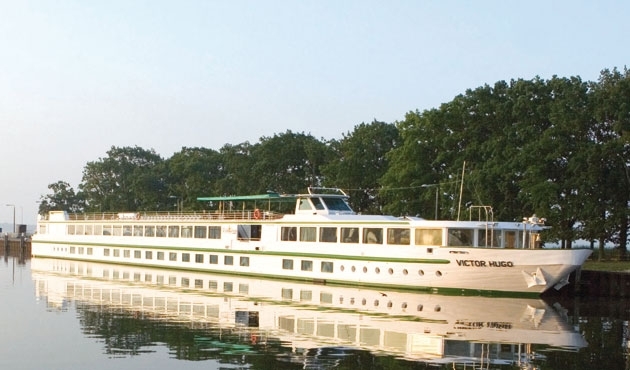
The MS Victor Hugo sails on the Rhine, the Elbe, the Tisza and on the Danube Rivers.
Down the Rhine River, stopover each and every country on the way. From Amsterdam to Strasbourg, you will see many extraordinary culturally rich cities and finish off your journey in picturesque Alsace – hometown of CroisiEurope, just at the right time for grape-harvest.
On the Danube, from Vienna to Budapest, see the countless cultures blend on the shores of a legendary river as you delve into Eastern Europe.
A cruise on the Elbe River brings you to the most magnificent cities of Europe. Berlin, Potsdam, Dresden –the “Florence of the Elbe”- and the breathtaking beauty of Prague, the “City of Hundred Spires”.
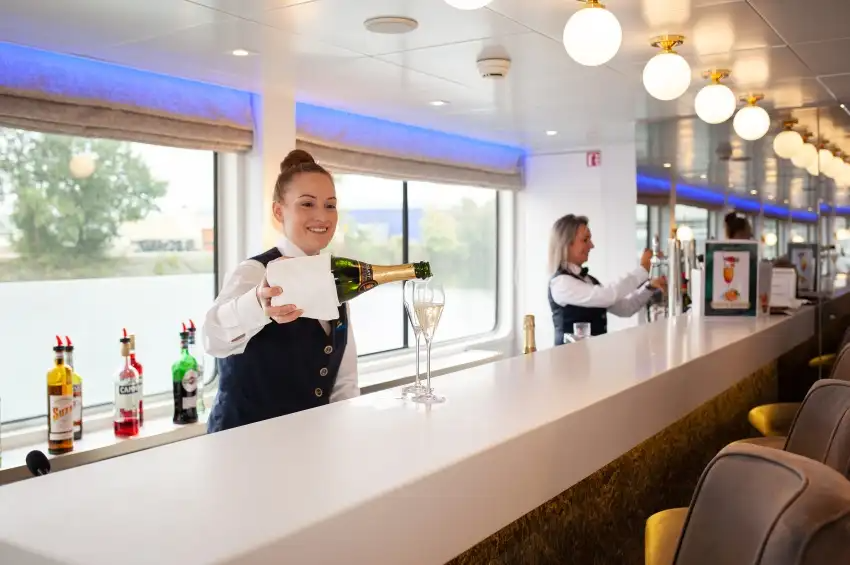
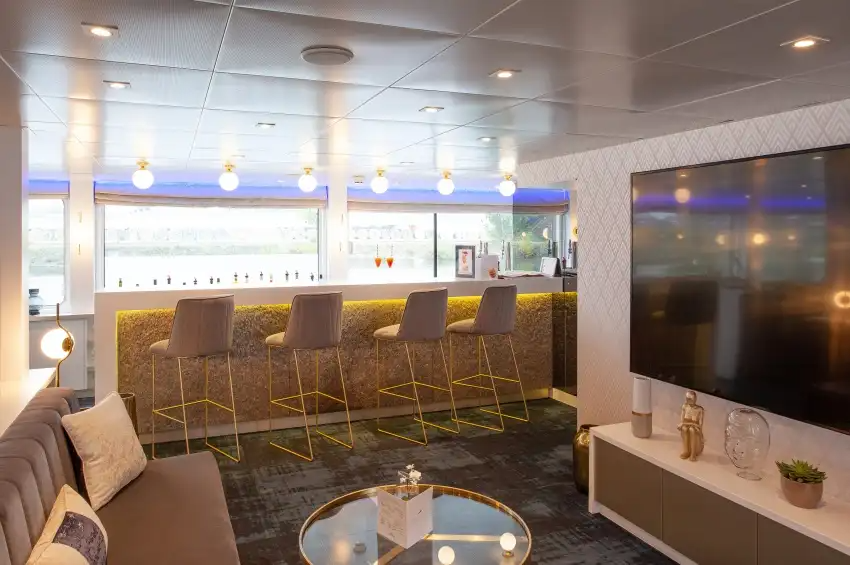
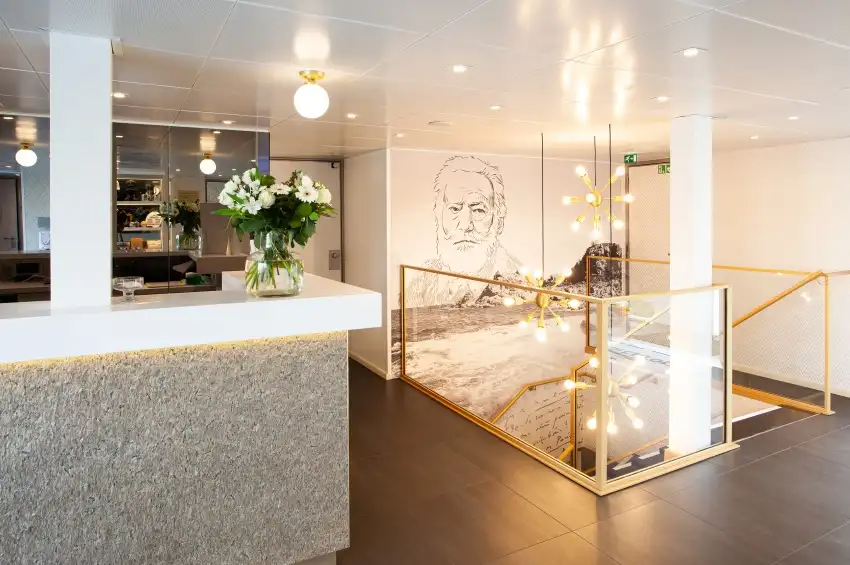
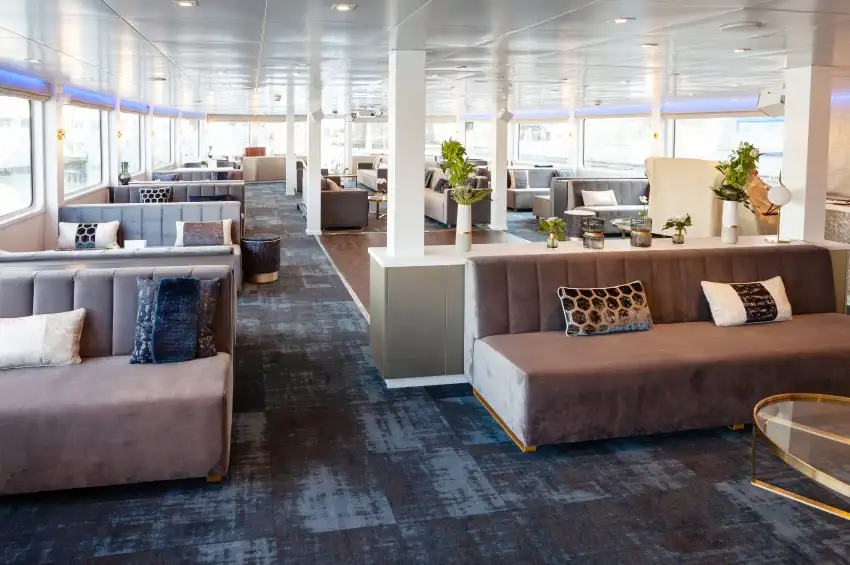
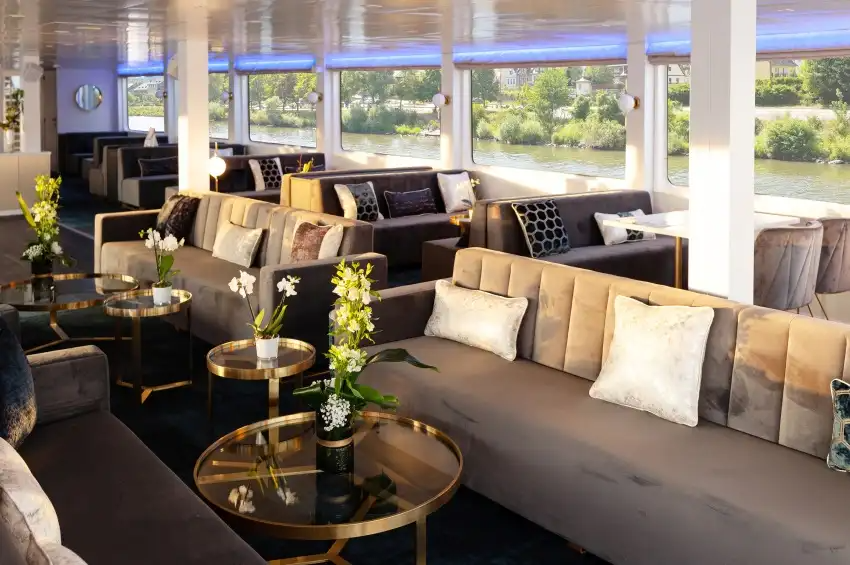
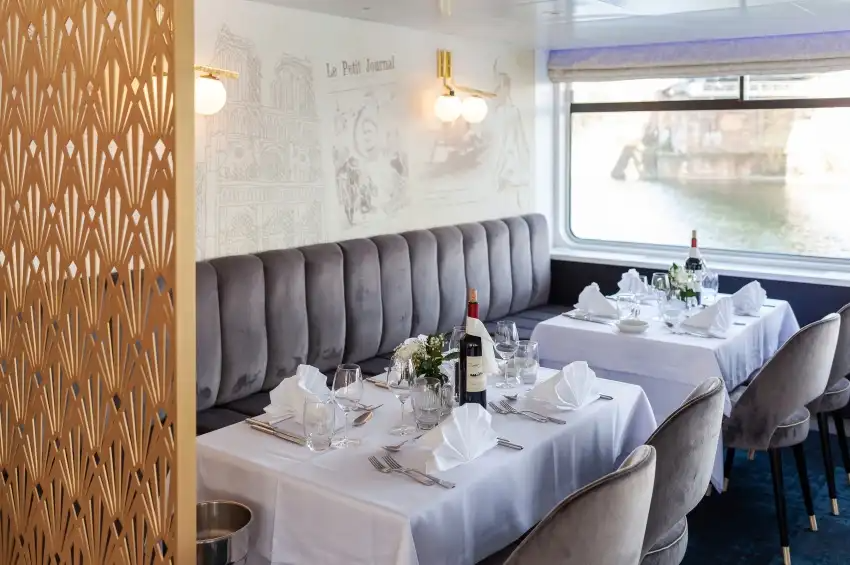
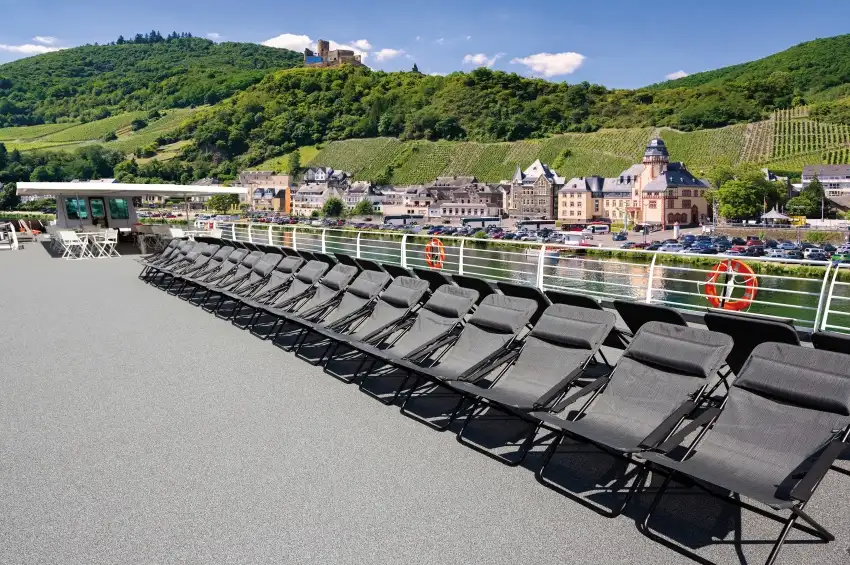
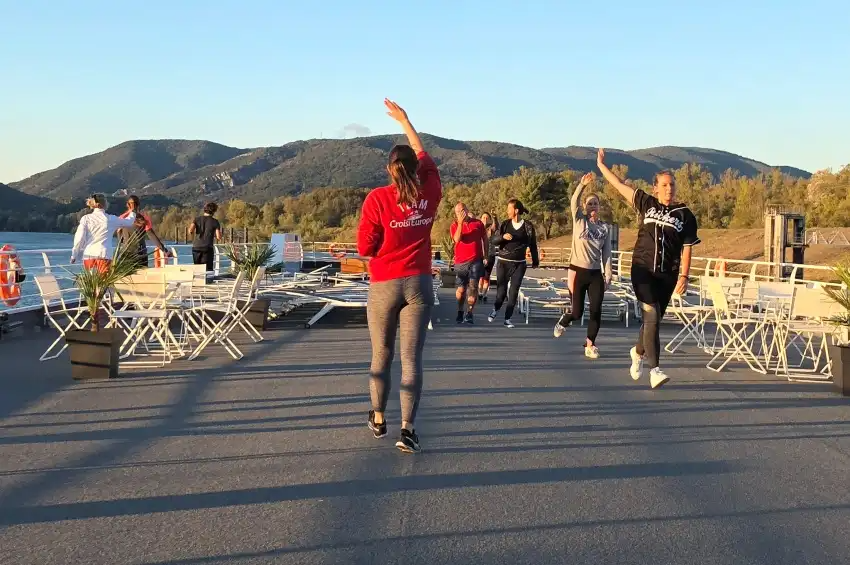
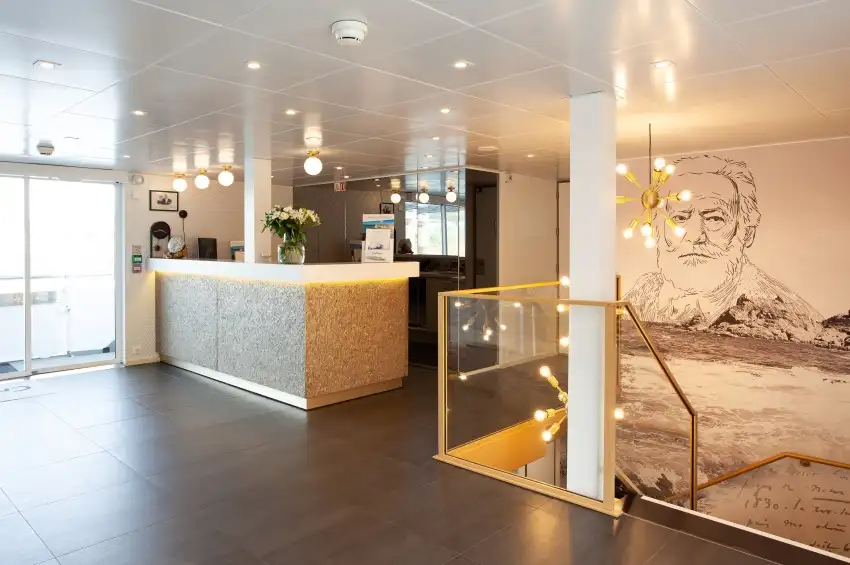
Lounge-bar with a dance floor – bar – dining room – large sundeck with deckchairs – gift shop. Central heating, 220V electricity, air-conditioning, radar, radiophone, Wi-Fi on board.
Bar
Lounge Bar
Voll klimatisiert
Sonnendeck
7 Nächte mit der MS Victor Hugo - - Abfahrt 08.09.2026


Vielen Dank für Ihre Anfrage. Sie werden von uns so schnell wie möglich eine entsprechende Offerte erhalten. Beste Grüsse Ihr Cruisetour-Team